
“I am only worried about you.” It can be a loving sentence. It can also be the opening line of a pattern that makes you doubt your friends, edit your opinions, cancel your plans and feel guilty for wanting ordinary independence.
That distinction matters. Not every disagreement is controlling. Not every protective reaction is manipulation. Relationships involve influence, concern and compromise. The warning sign is not a single sentence—it is the direction of the pattern. Does the person’s concern help you make an informed choice, or does it steadily make your choices smaller?
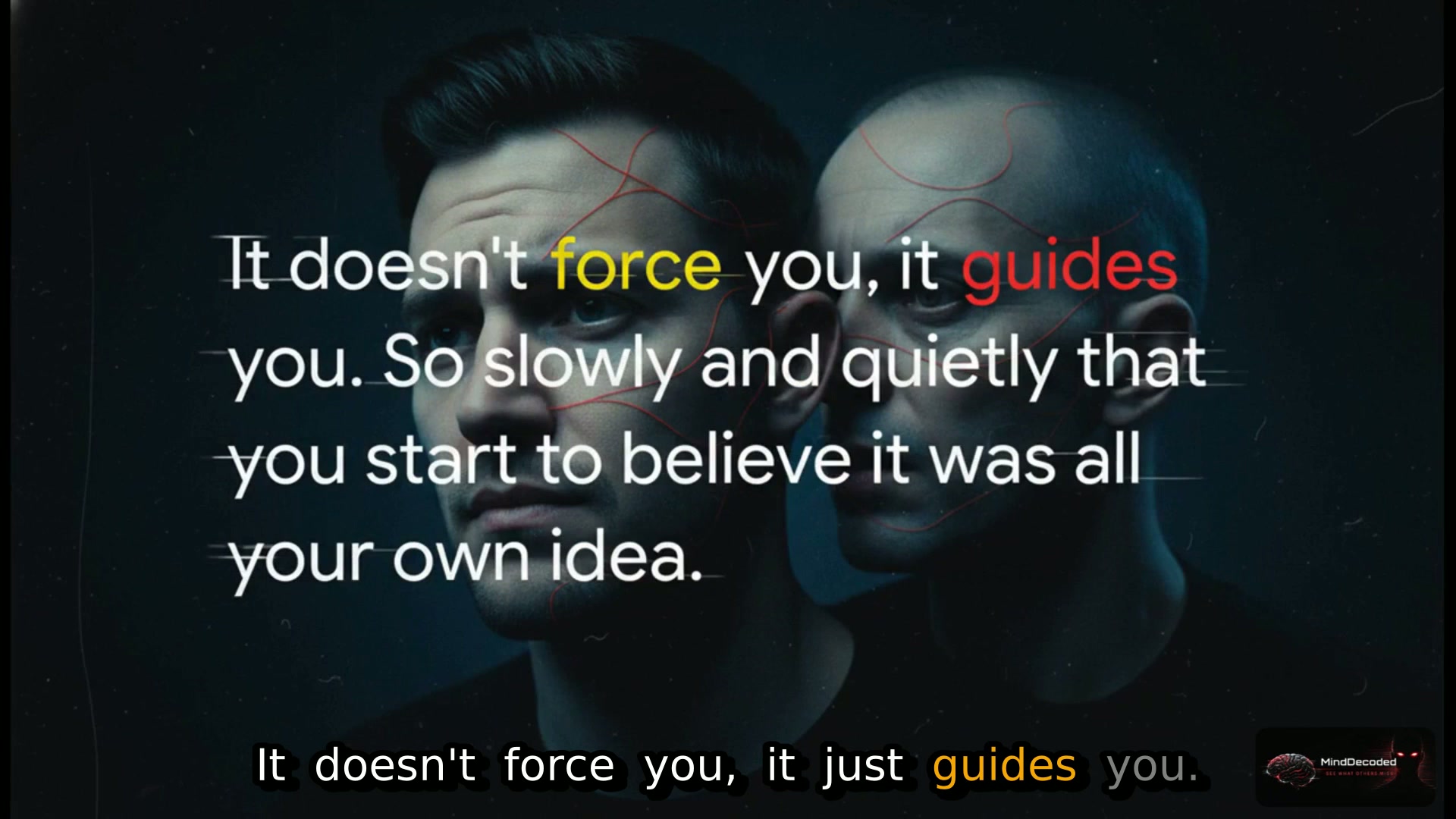
Control often avoids obvious force. It works through atmosphere: disappointment you learn to prevent, confusion you learn to avoid, silence you learn to fear. By the time you notice it, the restrictions may feel like your own sensible decisions.
Concern becomes control when it repeatedly undermines your trust in your own perception, turns another person’s feelings into your responsibility, isolates you from support, makes your boundaries feel unreasonable and punishes independence with withdrawal or pressure. Look for repetition, impact and whether you can safely disagree—not one isolated moment.
1. Reality starts to bend around their version
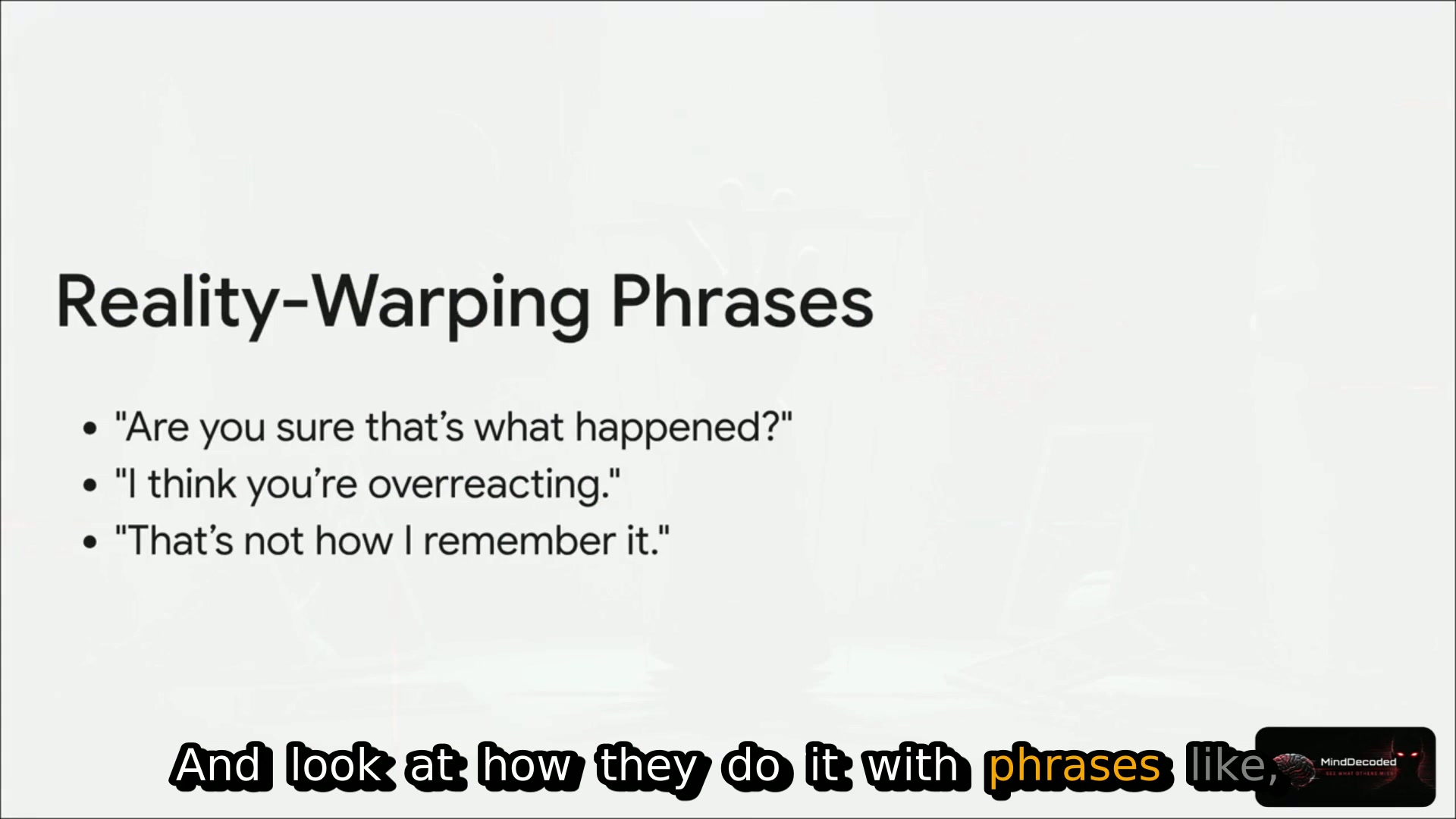
A controlling dynamic often begins with small revisions of reality: “Are you sure that happened?” “You are overreacting.” “That is not how I remember it.” In a healthy relationship, different memories can be discussed with curiosity. In a harmful pattern, every disagreement ends in the same place: your confidence collapses and their account becomes the only acceptable one.
This is sometimes called gaslighting, though the word should be used carefully. A person can genuinely remember badly, misunderstand an event or say something clumsy. The concern is a repeated strategy of denial or distortion that protects the same person from accountability while making you increasingly dependent on their interpretation.
Notice the function. Do you leave conversations clearer, or less able to trust yourself? Are messages, plans or witnesses dismissed whenever they disagree with them? Is your emotion treated as proof that you are unreliable? A relationship can survive different perspectives. It cannot remain equal if one person is always appointed the authority on the other person’s reality.
2. Guilt replaces a straightforward request
Healthy people can ask directly: “I would prefer you stayed,” “I miss you,” or “Can we talk before you decide?” Control often takes a different route. It makes refusal emotionally expensive. A sigh, a wounded silence, “after all I have done for you,” or “I guess I just care more than you do” turns their disappointment into your obligation.
Guilt is useful when it points to a specific harm you can repair. Manipulative guilt is vague and expansive. You are not accused of breaking an agreement; you are made responsible for another person’s sadness, anxiety, sacrifice or reaction. The result is that you solve their discomfort by giving up your choice.
Try separating empathy from obedience. You can recognise a feeling without accepting responsibility for managing it. “I understand that this is hard for you. I am still going.” “I care about you, and my answer is no.” If a clear, respectful boundary repeatedly produces punishment, the issue is not your wording.
3. Your world gets smaller—and it starts to feel safer
Isolation is rarely announced as isolation. It may look like a series of concerns: that friend is a bad influence; your family does not understand you; that workplace is too stressful; the event sounds unsafe; people are talking about you. Each concern may sound plausible on its own. Over time, however, you see fewer people, visit fewer places and stop mentioning parts of your life that could provoke a reaction.
The key signal is not whether someone dislikes a particular person. It is whether their concerns consistently point in one direction: away from independent support and toward dependence on them. A supportive partner or friend may flag a risk, but they should welcome your outside relationships and your ability to get another view.
Keep at least one relationship, place or routine that is yours. Speak to people who knew you before the current dynamic. If you find yourself hiding harmless contact to avoid the aftermath, pay attention to the aftermath—not just to the contact you hid.
4. Your boundaries and opinions quietly begin to disappear
Control can be subtle enough that it feels like growth. You stop wearing something because it causes an argument. You change your view because disagreement takes too much energy. You give up a hobby, plan or friendship because “it is not worth the drama.” None of these choices may feel forced. That is why the pattern can be difficult to name.
Compromise is mutual: both people retain dignity and both can say no. Control is one-sided: one person adapts while the other person’s comfort becomes the standard. Your opinions become less about what you believe and more about what will keep the peace.
Ask yourself: What did I enjoy, believe or do freely before I began managing this person’s reactions? Which boundaries now feel “unreasonable,” and who taught me that? If you need to shrink to remain safe in the relationship, the relationship is asking too much.
5. Independence is followed by distance, silence or punishment
Some controlling patterns train behaviour without shouting. When you comply, there is warmth, attention or relief. When you disagree, there is silence, coldness, criticism, jealousy or a crisis you are expected to fix. Eventually you start predicting the response and choose compliance before anyone has to ask.
That is behavioural training: approval follows one path, emotional distance follows another. The control is not the silence by itself. Everyone needs space sometimes. It is the pattern in which silence appears specifically to punish a boundary, force a reassurance or restore the other person’s power.
Do not measure the relationship by the relief you feel when warmth returns. Look at the whole cycle. Are problems discussed and repaired, or does affection disappear whenever you act independently? Reliable care does not require you to earn safety by abandoning yourself.

Control is not merely power over you. It is the gradual creation of a world in which leaving, disagreeing or trusting yourself feels too costly.
Why control can feel like care
Control often borrows the language of love because love creates access. “I only want the best for you” may be true. It can also be used to avoid scrutiny. The difference becomes visible in what happens next. Genuine care offers information, listens to your response and leaves you with more capacity to decide. Control presents a conclusion and makes disagreement feel dangerous, selfish or foolish.
It is also common to defend someone who has been kind at other times. People are complex, and harmful patterns often coexist with affection, generosity and genuine vulnerability. That does not cancel the impact of control. You do not need to prove that another person is entirely bad before taking your own loss of freedom seriously.
Focus on impact rather than labels. Are you becoming more connected, confident and able to choose? Or more isolated, anxious and preoccupied with keeping someone else calm? Your body may notice the pattern before you have language for it.
How to respond without increasing risk
1. Name the pattern privately
Write down dates, messages and what happened before and after a boundary. This is not about building a courtroom case; it helps you see a pattern when the latest apology or argument makes the past feel uncertain.
2. Reconnect with independent reality
Speak to a trusted friend, family member, therapist or specialist support service. Choose someone who will listen without immediately escalating the situation or sharing information back to the controlling person.
3. Use small, clear boundaries where safe
Short statements reduce openings for debate: “I have decided.” “I am not discussing this further.” “I will talk when we are both calm.” A boundary describes what you will do, not how you will force another person to behave.
4. Do not treat confrontation as a requirement
If a person retaliates, monitors your devices, threatens you or becomes frightening when challenged, direct confrontation can increase risk. Safety planning with a specialist is often more useful than trying to win an argument.
5. Protect practical independence
Where safe, keep access to personal documents, money, medication, transport and trusted contacts. Use a safer device or private browsing if you think digital activity may be monitored. Local domestic-abuse services can help with a confidential plan.
Seeing clearly is a beginning, not a verdict
Recognising a sign does not obligate you to make a dramatic decision today. It gives you a more honest starting point. You are allowed to take time, gather support and decide what safety and freedom require in your circumstances.
The most important shift is simple: your needs, memory and boundaries are not problems to be managed away. In a healthy relationship, concern expands your ability to live well. It does not slowly take your life out of your own hands.
Watch the original video
See MindDecoded’s visual explanation of the subtle signs that concern may be used to control rather than support.
Watch on YouTube ▶Frequently asked questions
How do I know whether someone is concerned or controlling?
Healthy concern respects your agency, welcomes questions and allows you to decide. Control repeatedly narrows your choices, treats disagreement as danger or disloyalty, and attaches guilt, confusion, fear or withdrawal to your independence.
Is one guilt-inducing comment proof of emotional abuse?
No. People can communicate poorly when stressed or hurt. Look for a persistent pattern, the impact on your freedom, whether repair occurs and whether the same person benefits when you become smaller, quieter or more isolated.
What is coercive control?
Coercive control is a pattern of behaviour used to dominate, isolate or intimidate another person and deprive them of independence. Definitions and legal protections vary by location. If you feel unsafe, seek local specialist support.
What should I do if I recognise these signs?
Prioritise safety. Document patterns if safe, speak to a trusted person outside the situation, seek specialist advice and make a plan before confronting someone who may retaliate. In immediate danger, contact emergency services.
Support and further reading
Safety note: If you are in immediate danger, contact local emergency services. If you are concerned a device is monitored, use a safer device to seek help and avoid changing settings or leaving evidence that could increase risk.